

02
Product Details
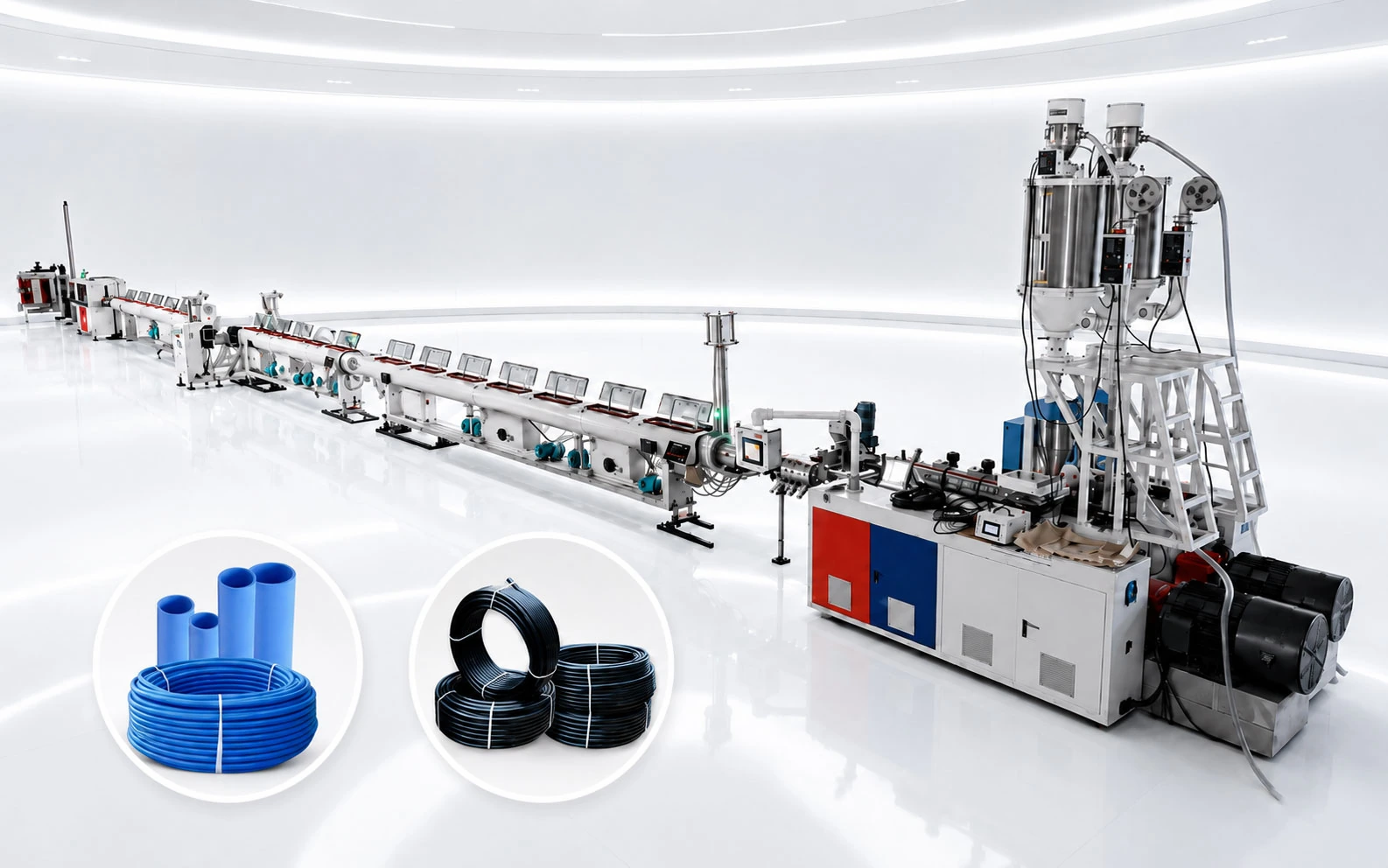
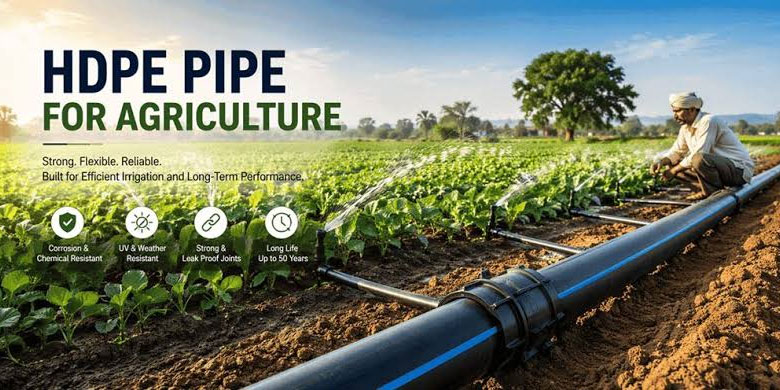
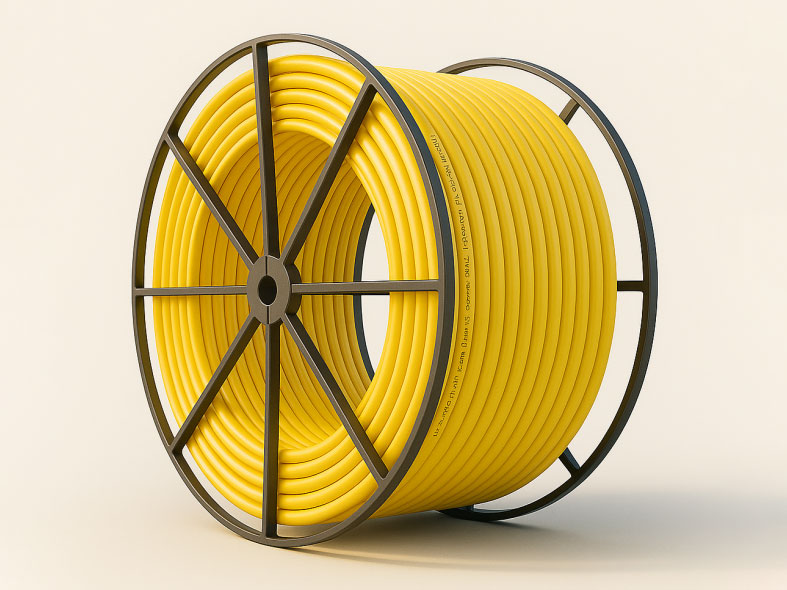
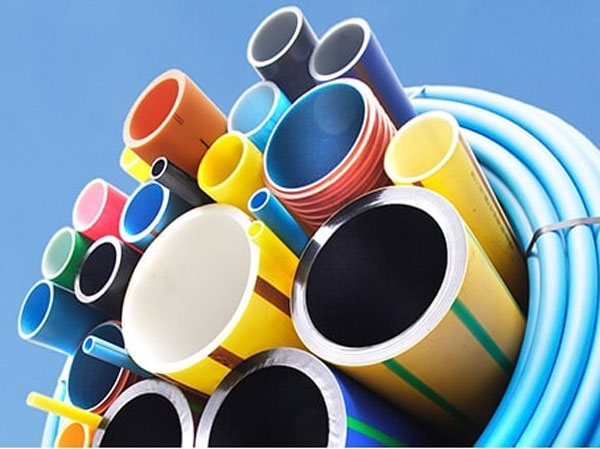
20-63MM Three-Layer HDPE Pipe Extrusion Line is designed for PE100 and PE80 multilayer pipe production, covering water supply, underfloor heating, agricultural irrigation, landscape watering and solar pipe applications. The line adopts two single screw extruders for one-step co-extrusion, centralized PLC control, automatic haul-off, chipless cutting and double-station winding to produce stable small-diameter composite HDPE pipes with precise wall thickness.
Finished Products & Applications
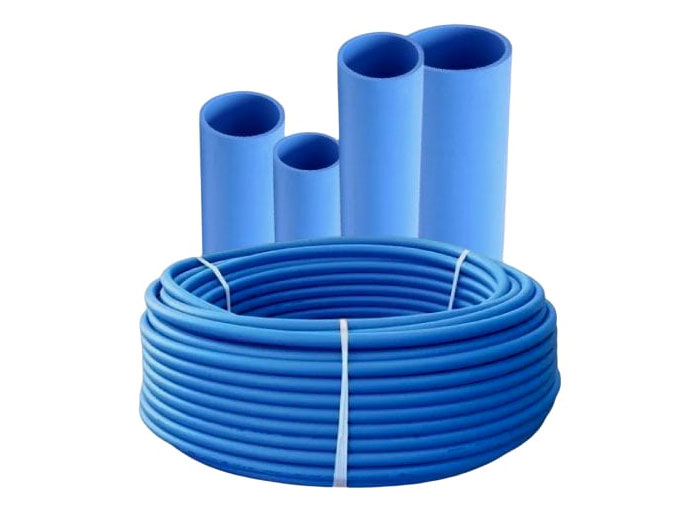
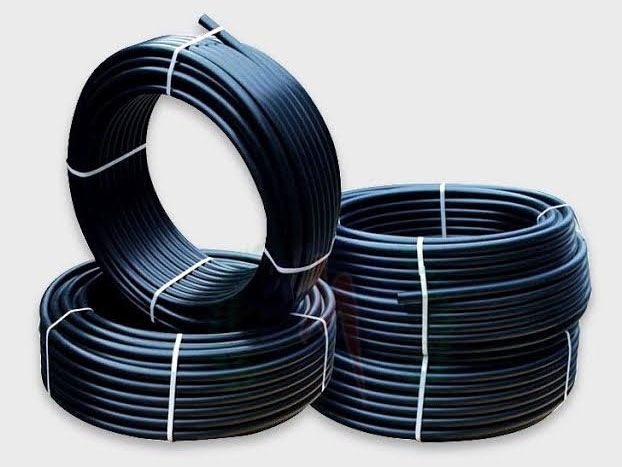
20-63 mmPipe Range
300 KG/hourProduction Capacity
PE100 / PE80Pipe Material
250 KWTotal Power
03
Applications
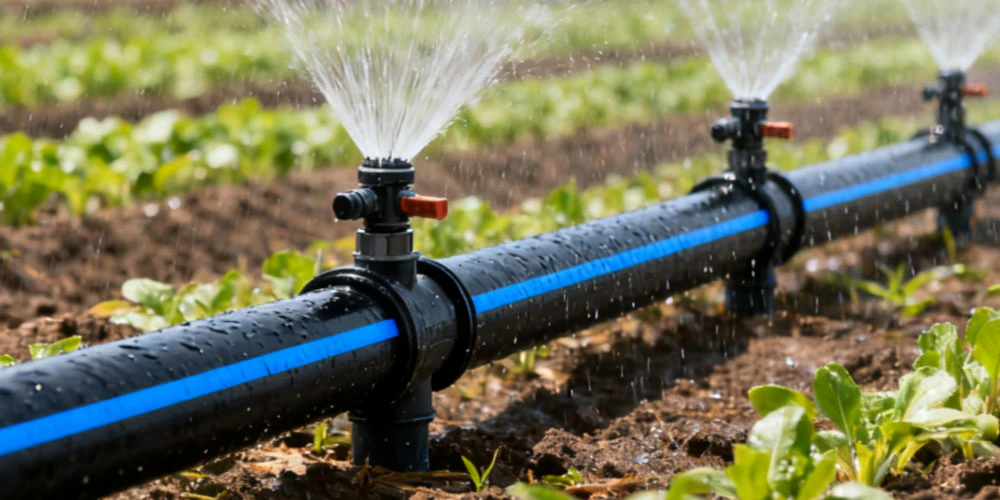
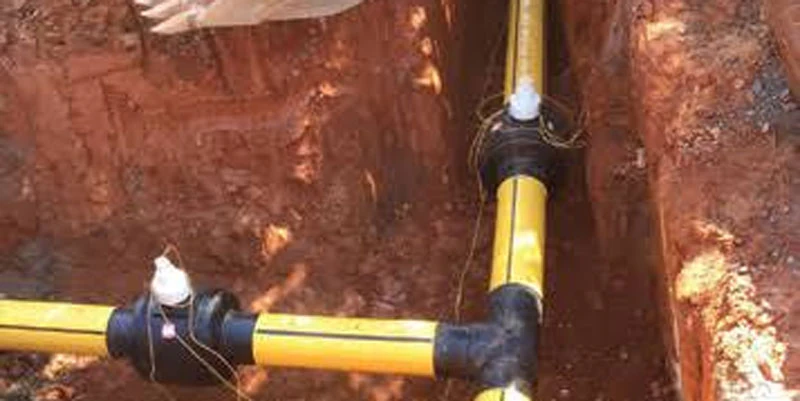
04
Core Advantages
Centralized PLC Control
Stable output supports efficient continuous production.
One-Worker Operation
Stable traction keeps pipe movement consistent.
Fast Specification Change
Multiple pipe formulas can be stored on the touch screen.
Dedicated Multilayer HDPE Design
Stable output supports efficient continuous production.
High Output & Energy Efficiency
Stable output supports efficient continuous production.
Reliable International Components
Brand electrical parts reduce failure and maintenance.
One-stop Service
Global service supports installation and training.
Export-proven Operation
Global service supports installation and training.
05
Machine Video
06
Production Process
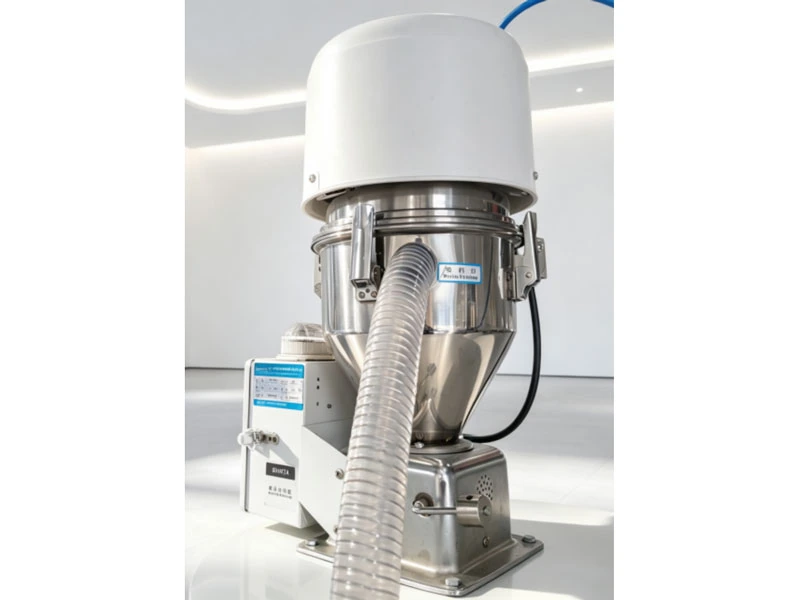
01
Raw Material Vacuum Loader
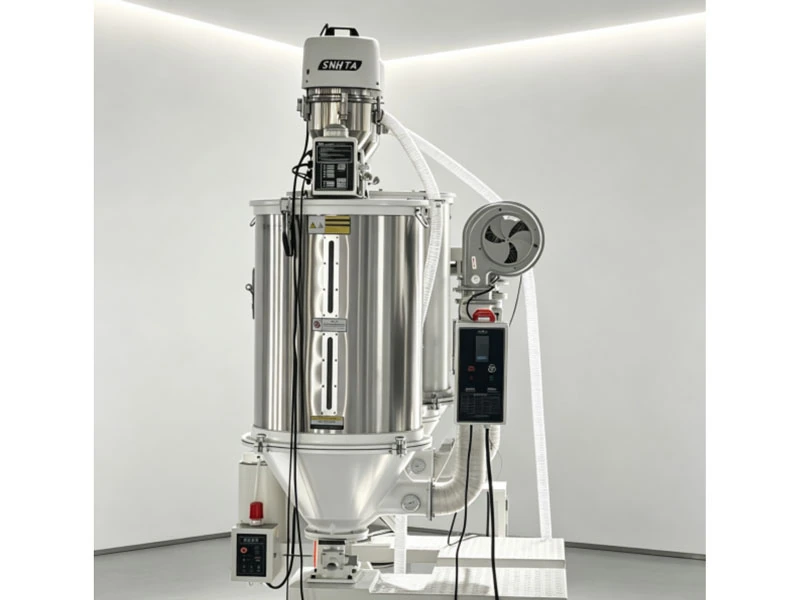
02
Hopper Dryer
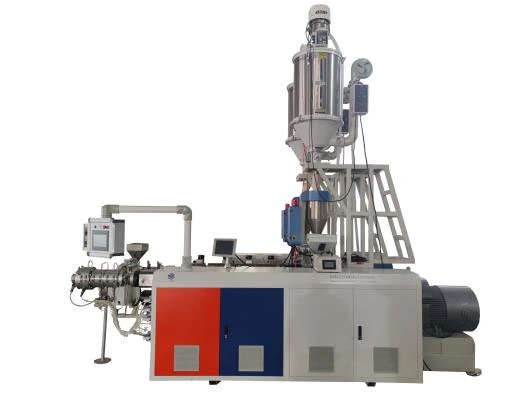
03
Single-screw Extruder
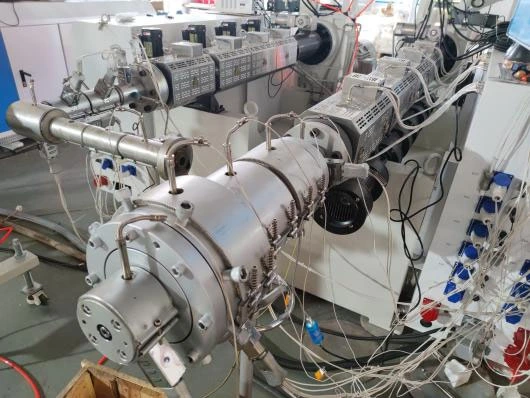
04
Extrusion Die Head
05
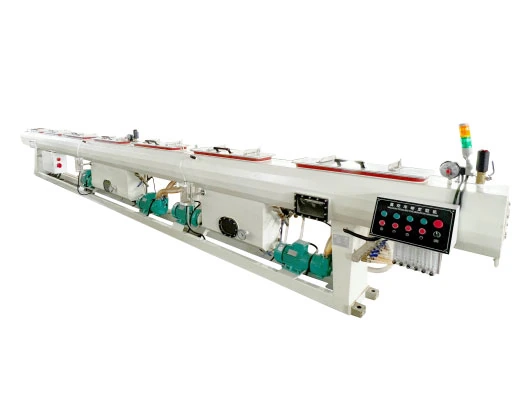
Vacuum Calibration Tank
06
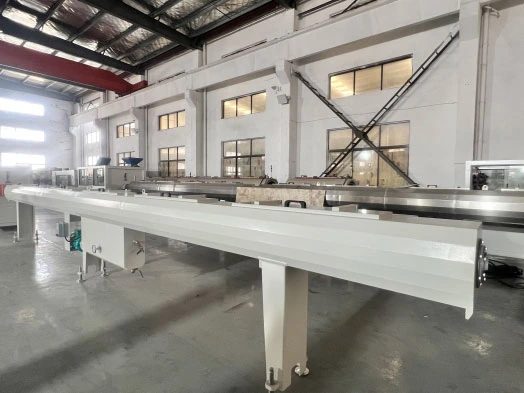
Spray Cooling Tank
07
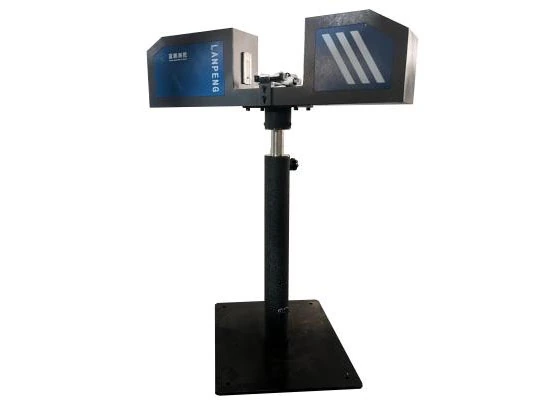
Online Diameter Measurement
08
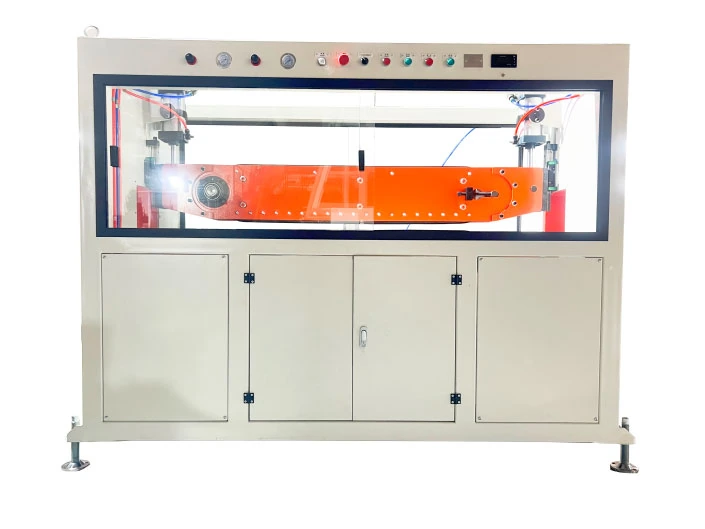
Haul-off Machine
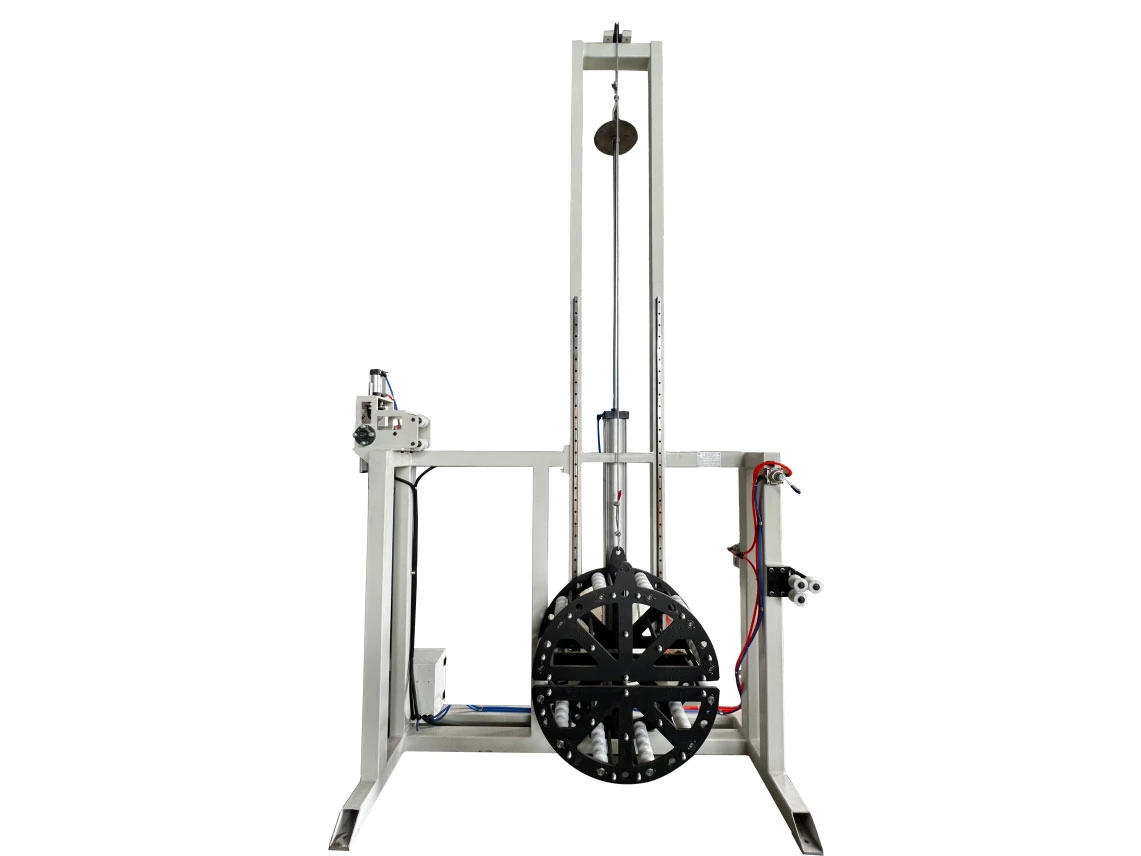
09
Pipe Compensator
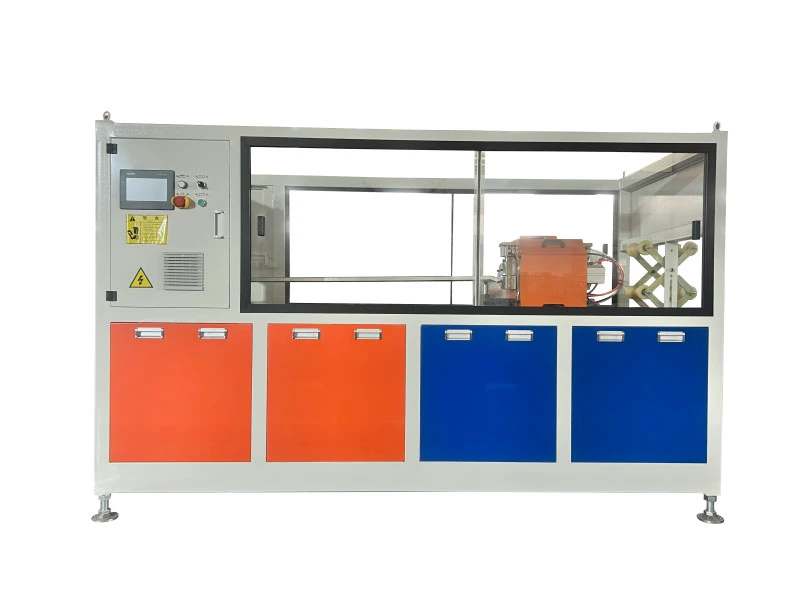
10
Chipless Cutting Machine
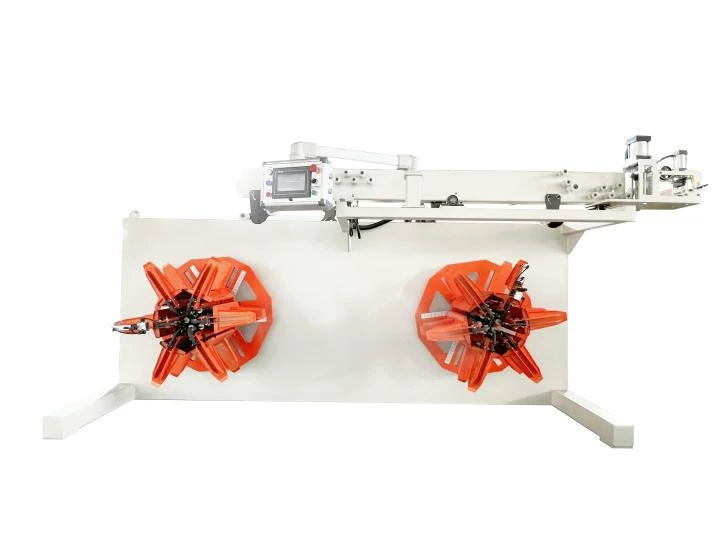
11
Double-station Pipe Winder
07
The Production Line Consists Of
Vacuum Loader
2 PCSHopper Dryer
2 PCSSingle Screw Extruder Machine
2 PCSExtrusion Die Head
1 PCVacuum Calibration Tank
2 PCSSpray Cooling Tank
1 PCOnline Diameter Measurement
1 PCHaul-off Machine
1 PCPipe Compensator
1 PCChipless Cutting Machine
1 PCDouble-station Pipe Winder
1 PC08
Technical Parameters
| Model | Pipe Range | Extruder Model | Main Motor Power | Max. Line Speed | Max. Output |
|---|---|---|---|---|---|
| BQX63 | 20~63 MM | SJ65/33 | 55 KW | 12 m/min | 150 KG/H |
| BQX110 | 20~110 MM | SJ65/33 | 75 KW | 10 m/min | 180 KG/H |
| BQX160 | 75~160 MM | SJ75/33 | 110 KW | 8 m/min | 350 KG/H |
| BQX250 | 90~250 MM | SJ75/33 | 110 KW | 5 m/min | 350 KG/H |
| BQX315 | 110~315 MM | SJ90/33 | 160 KW | 3 m/min | 450 KG/H |
| BQX450 | 160~450 MM | SJ90/33 | 160 KW | 2 m/min | 450 KG/H |
| BQX630 | 315~630 MM | SJ120/33 | 280 KW | 1.6 m/min | 850 KG/H |
| BQX800 | 500~800 MM | SJ120/33 | 280 KW | 0.8 m/min | 850 KG/H |
| BQX1000 | 630~1000 MM | SJ150/33 | 400 KW | 0.8 m/min | 1200 KG/H |
| BQX1200 | 710~1200 MM | SJ120/38 | 355 KW | 0.6 m/min | 800~1200 KG/H |
| BQX1600 | 1000~1600 MM | SJ120/38+SJ90/38 | 355+250 KW | 0.3 m/min | 1600~1800 KG/H |
09
Factory Strength
20+Years Experience
20MAnnual Sales
72hPre-delivery Test
CE & ISOCertified Machines
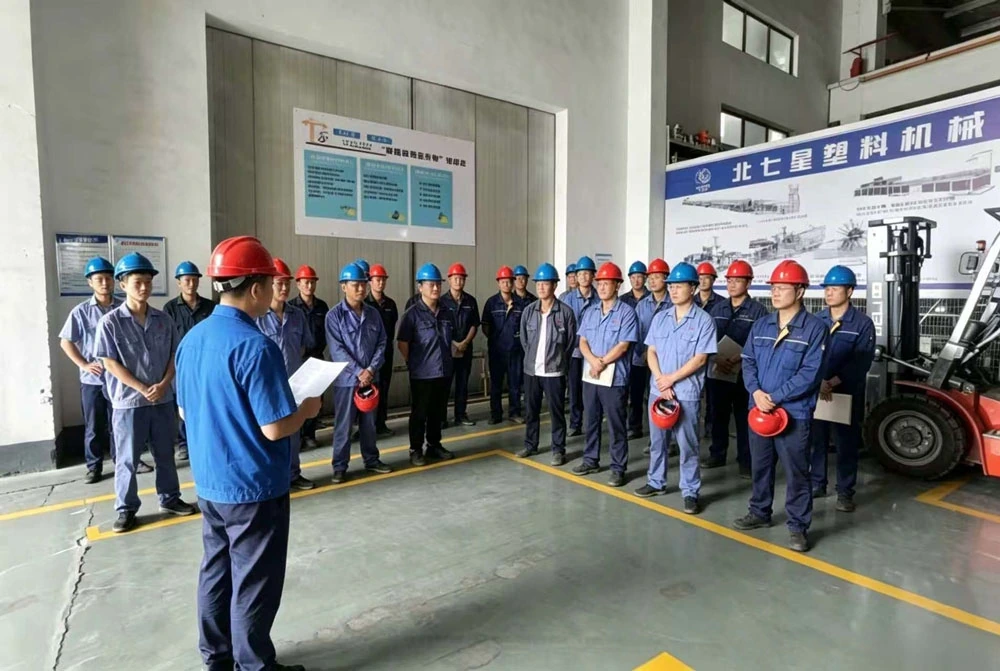
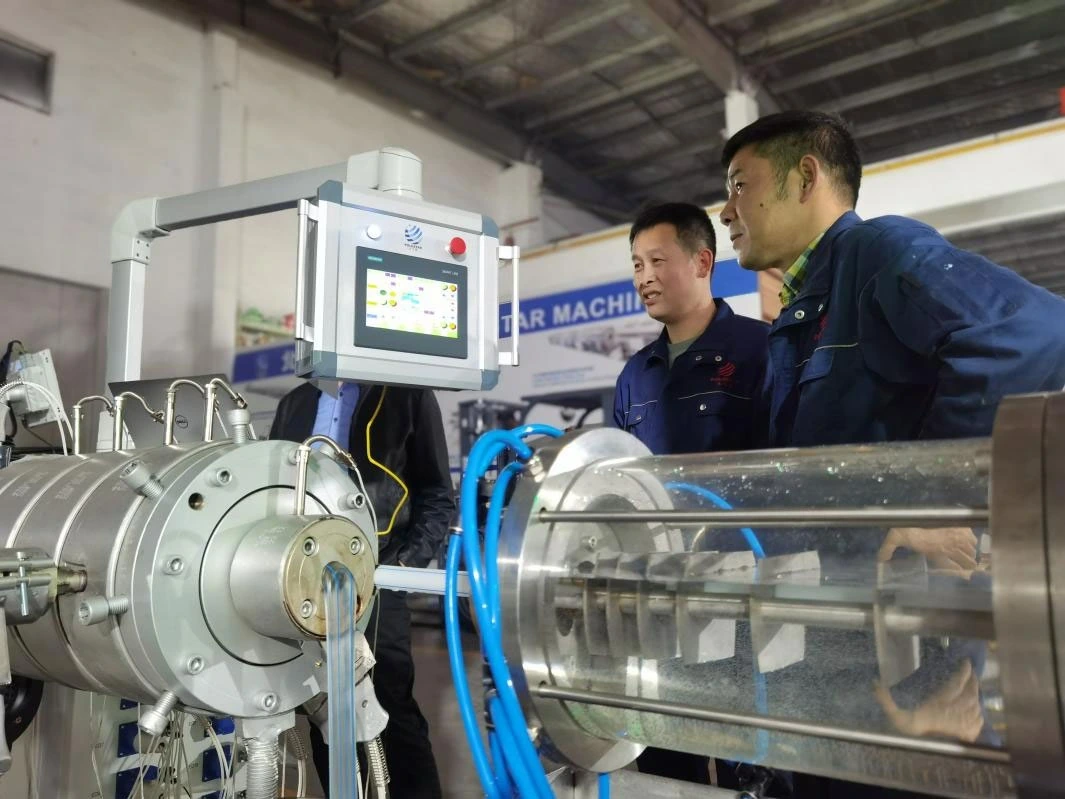
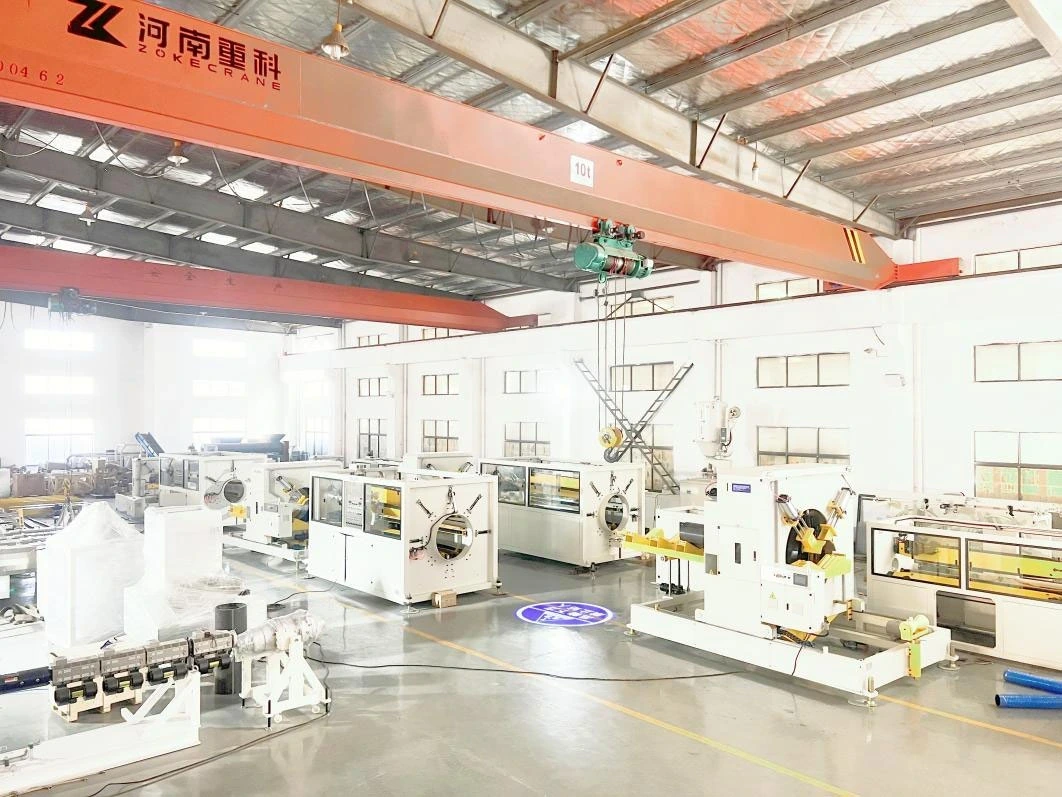
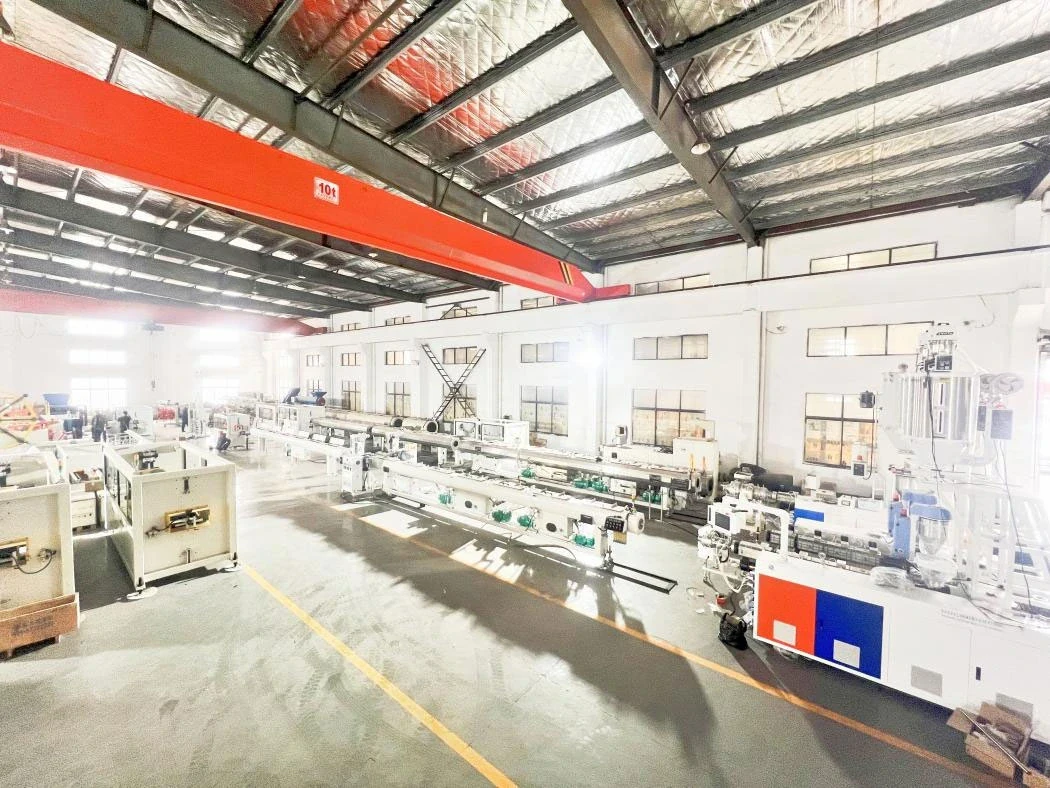
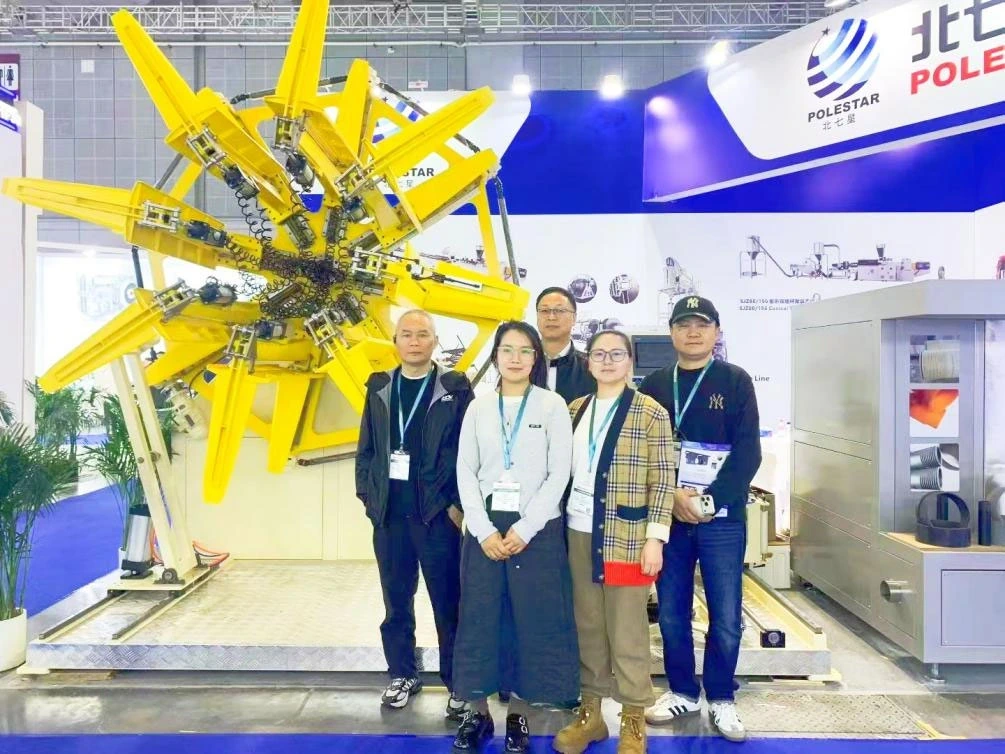
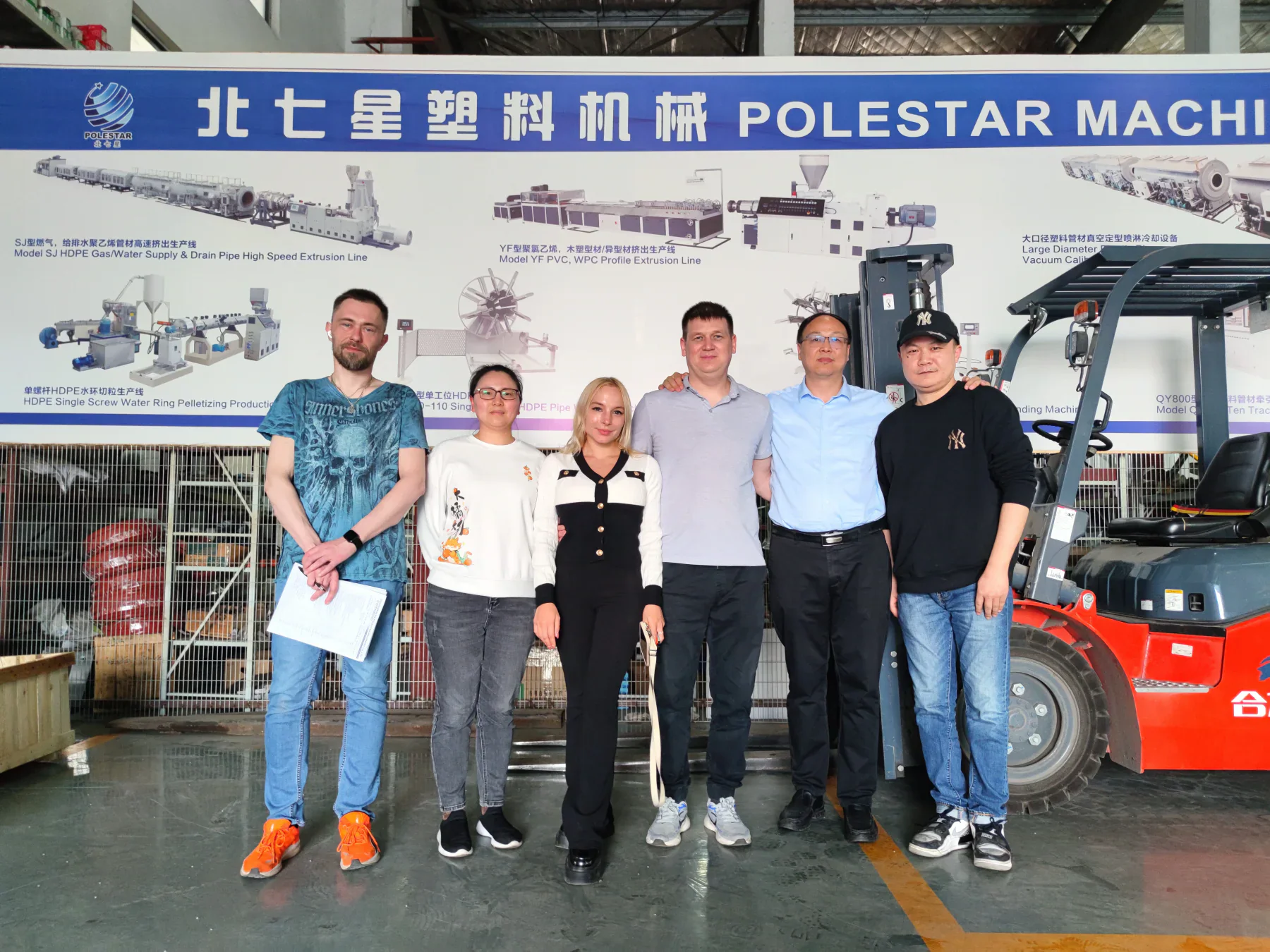
Integrated factory and exporter with independent R&D, mould machining, complete machine inspection, and overseas commissioning support.
10
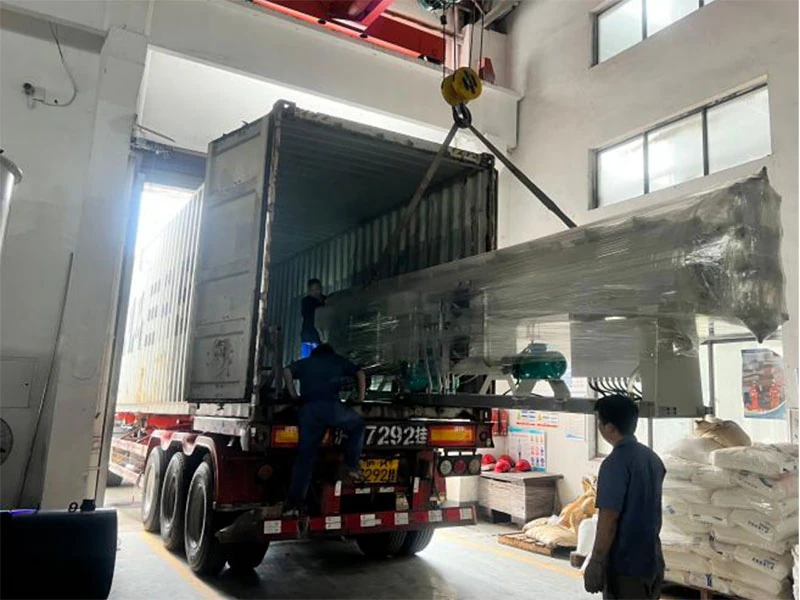
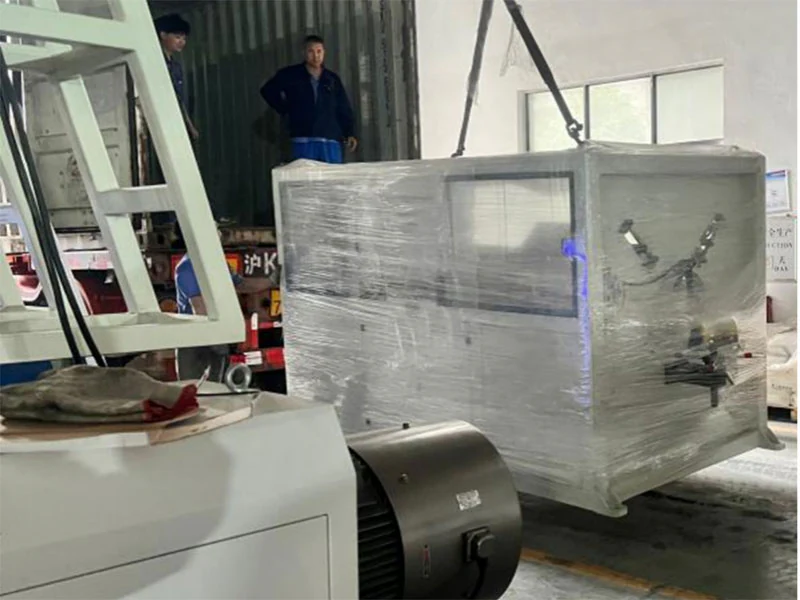
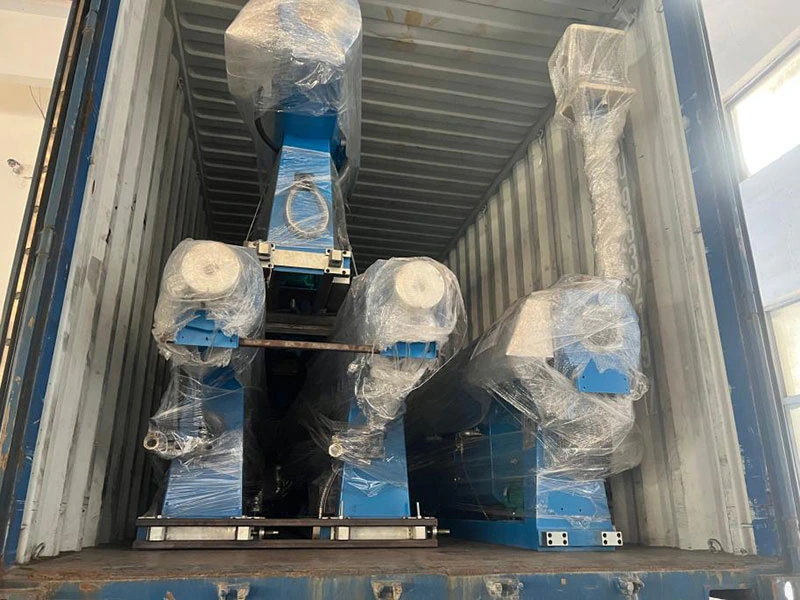
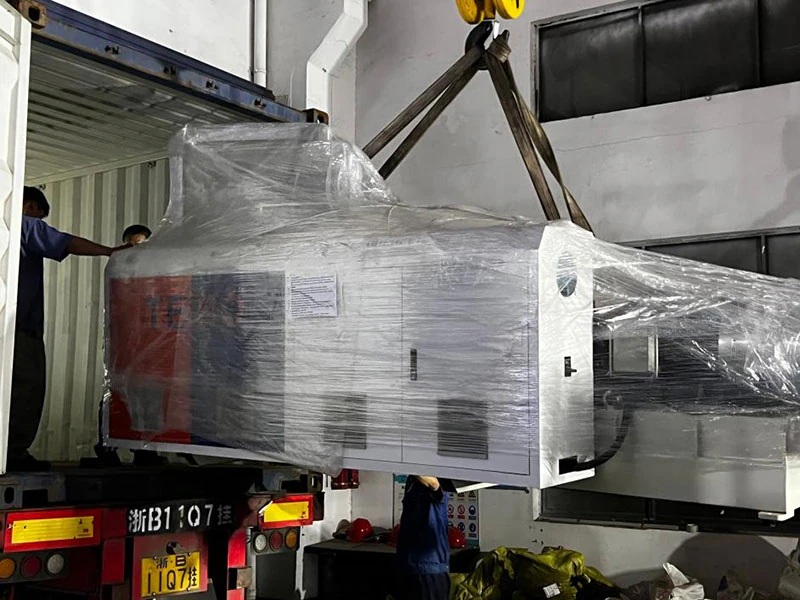
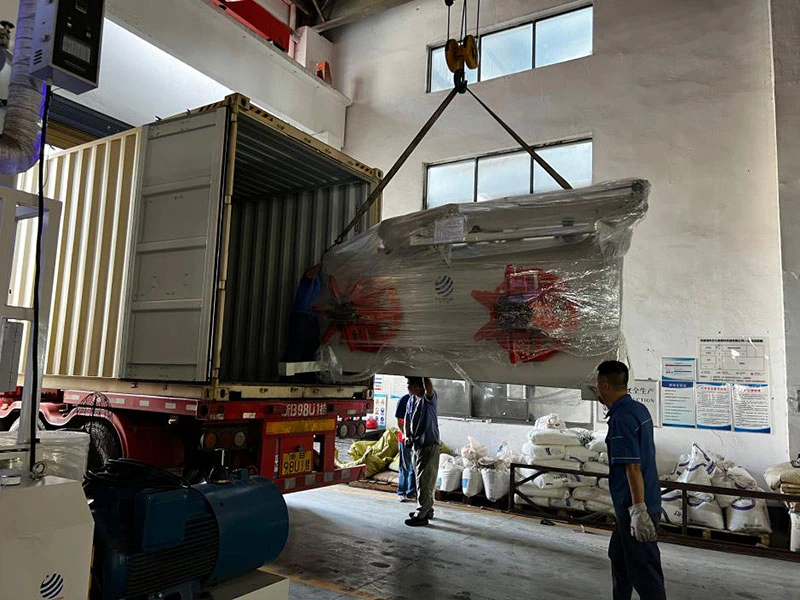
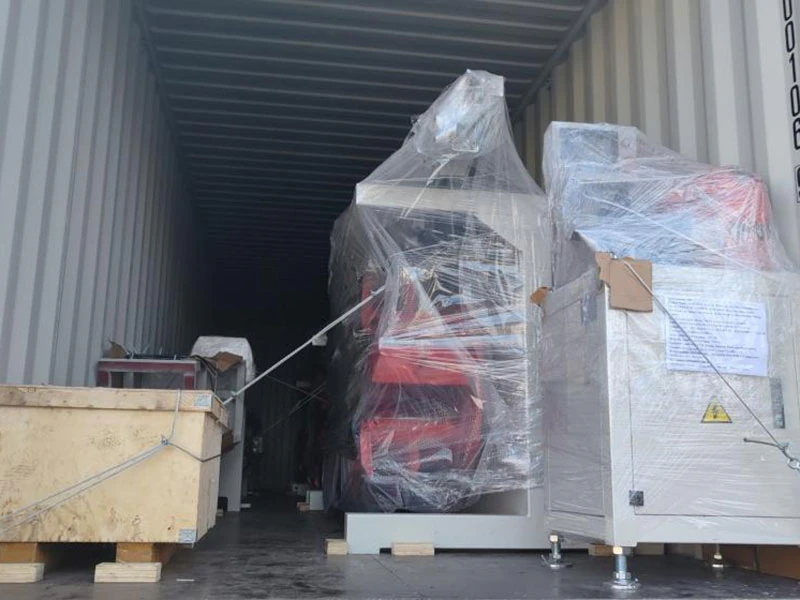
Delivery & Container Loading
Polestar Machinery arranges machine packing, container loading checks, and export delivery coordination for plastic extrusion lines and auxiliary equipment.
11
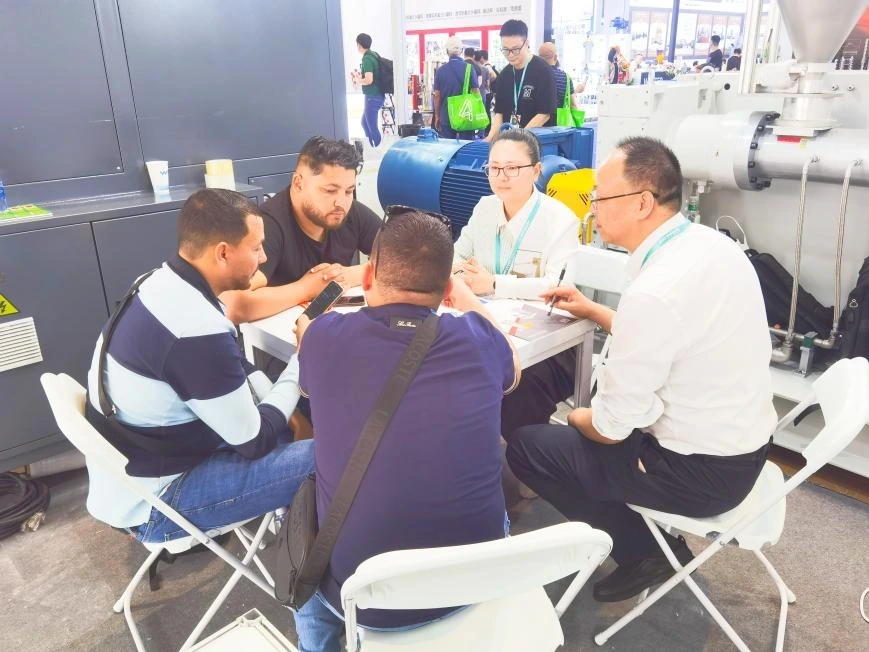
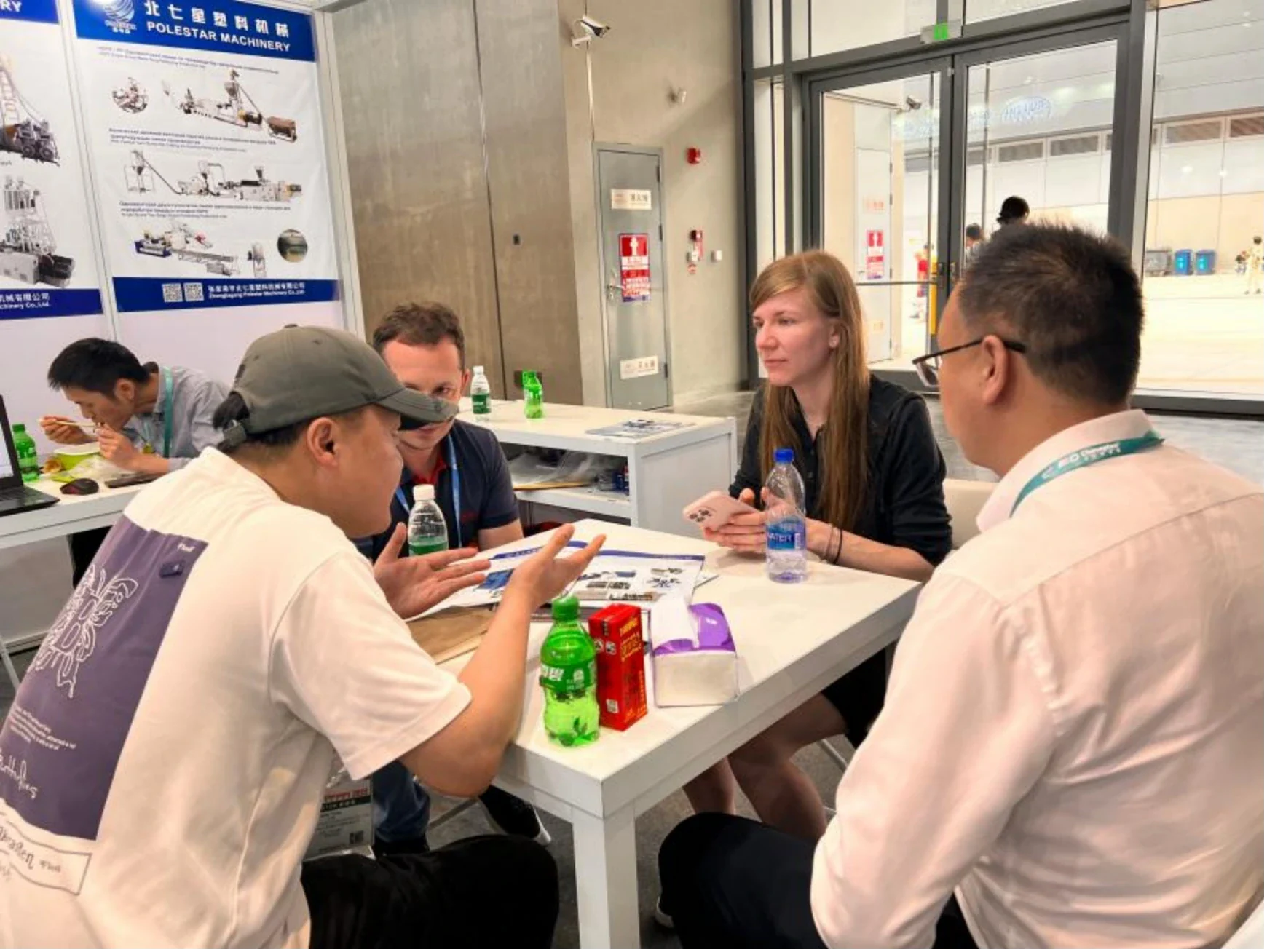
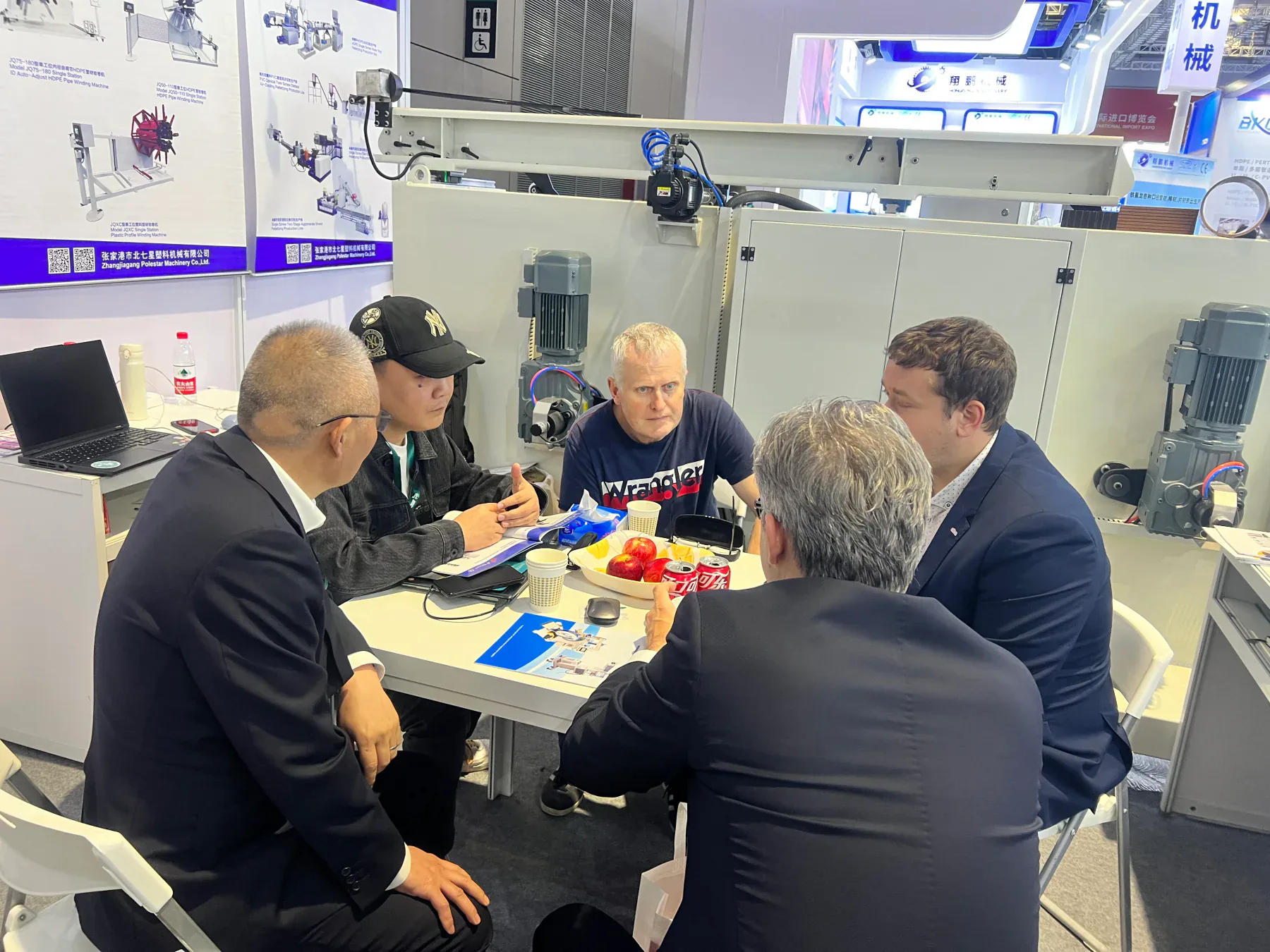
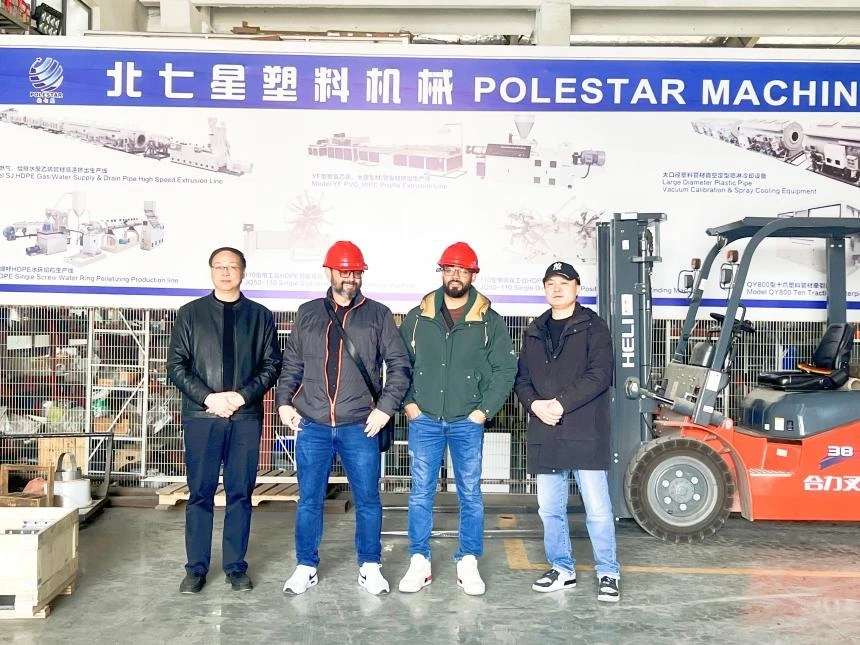
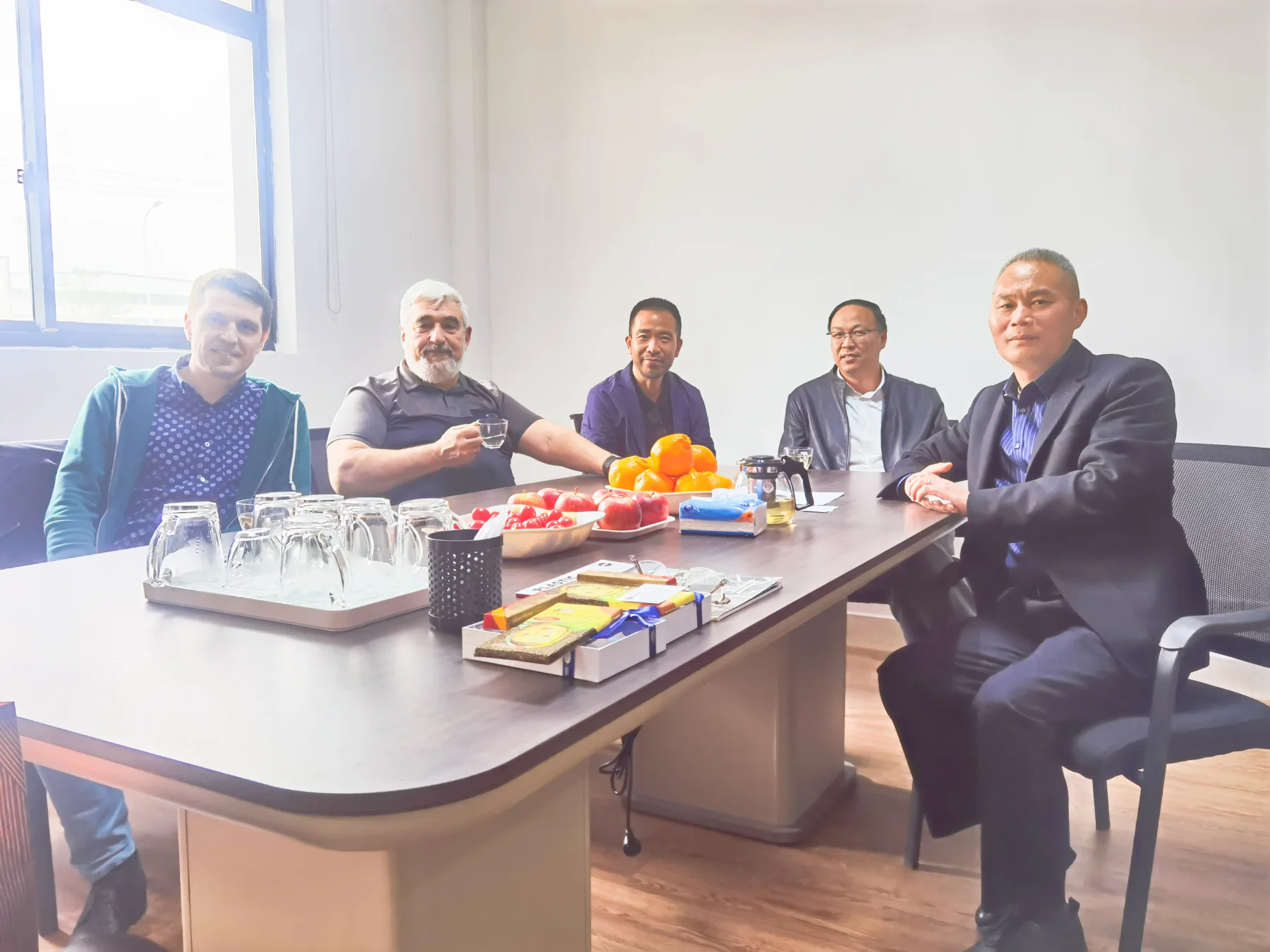
Customer Projects
12
Frequently Asked Questions
Q1: Unstable extrusion output, fluctuating pipe diameter & wall thickness
Reasons: Blocked feeding system, uneven mixing of raw materials, worn screw/barrel, unstable main motor frequency. Solutions: Clean the feeder; check mixing formula; repair or replace worn screw; calibrate VFD parameters.
Q2: Poor plasticization, crystal dots & fish eyes on pipe surface
Reasons: Improper heating temperature, wet raw materials, mismatched screw speed, unmelted resin particles. Solutions: Dry raw materials fully; adjust barrel temperature curve; optimize screw rotation speed.
Q3: Material yellowing, black burnt spots & decomposition lines
General causes: Long material residence time, damaged temperature sensors, degraded recycled materials or local overheating. Solutions: Lower overheated zone temperature; clean mold dead zones; verify resin quality and stabilizing additives.
Q4: Extruder overload & high motor current alarm
Reasons: Low barrel temperature, blocked screen pack, foreign objects inside barrel, excessive filler content. Solutions: Raise temperature moderately; replace screen mesh; clean foreign debris; adjust filler proportion.
Q5: Vertical scratches & streaks on pipe inner/outer surface
Reasons: Scratched mold inner cavity, accumulated impurities, worn die lip, precipitated lubricant residues. Solutions: Polish mold surface; disassemble and clean die regularly; replace damaged die lip.
Q6: Severely uneven pipe wall thickness
Reasons: Offset mold center, unbalanced heating rings around die, partial blocked melt channels. Solutions: Re-center the mandrel; check and replace faulty heating bands; clear blocked flow paths.
Q7: Melt leakage from mold joint gaps
Reasons: Loose clamping bolts, aging sealing gaskets, uneven thermal expansion of die components. Solutions: Retighten bolts evenly; replace damaged gaskets; balance mold heating temperature.
Q8: Spiral ripples inside finished pipes
Reasons: Unbalanced melt flow inside mold, unreasonable mandrel structure, unstable melt pressure. Solutions: Optimize internal mold flow channel design and stabilize extruder output pressure.