

I. What Is PE Compound?
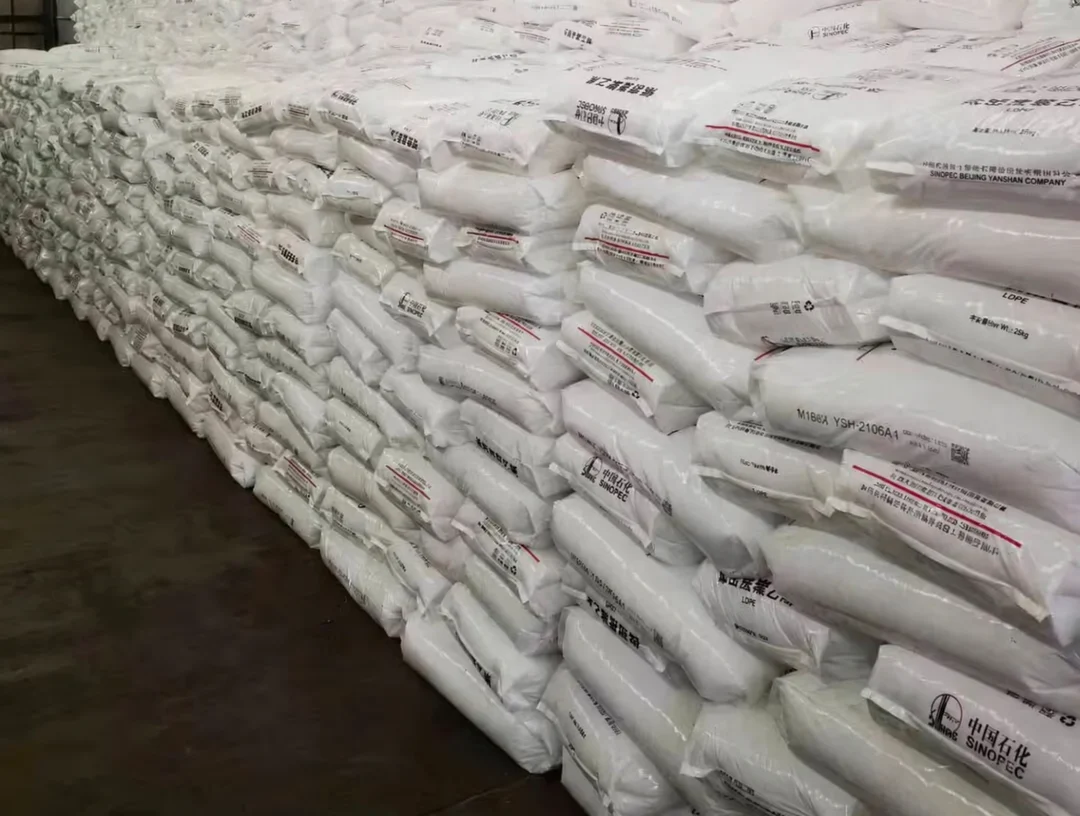
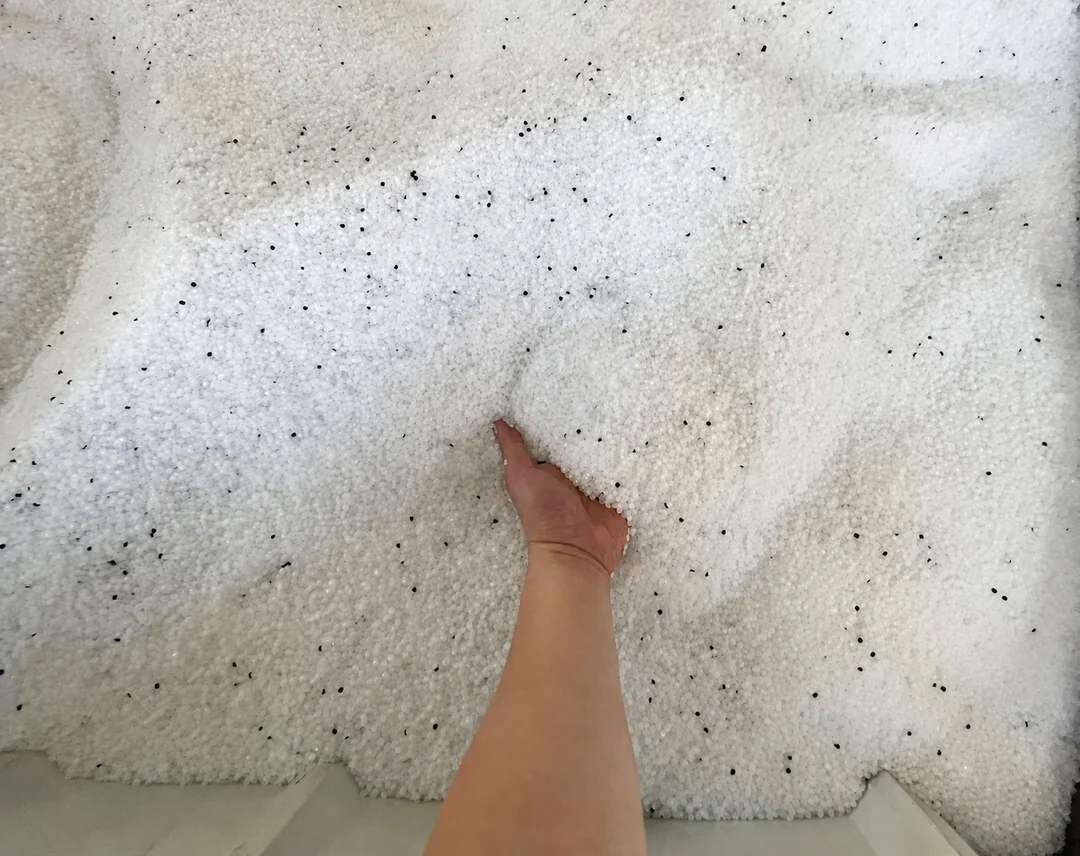
A compound refers to pelletized material produced via extrusion from a base polymer (polyethylene) and additives—such as antioxidants, pigments, and UV stabilizers—supplied and graded by compound manufacturers.
Base Material: Polyethylene (PE)
Compounds use PE80 or PE100 grades as the primary raw material; they serve as the base resin for PE piping.
Incorporation of Essential Additives
Includes antioxidants, pigments, and UV stabilizers to enhance the pipe's durability and service life.
Uniform Granulation and Mixing
All ingredients are processed into pellets via factory extrusion machine, ensuring consistent ingredient distribution and stable quality.
Supplied and Graded by Professional Manufacturers
On-site mixing is not permitted; production must be carried out by qualified manufacturers and undergo performance grade certification.
Ready for Direct Use by Pipe Manufacturers
Eliminates the need for additional additives or masterbatches, thereby increasing production efficiency and reducing the risk of human error.
II. What Are the Issues with the Traditional "White-plus-Black" Method?
The widespread adoption of "pre-compounded materials" indicates that the industry is transitioning from the traditional "White-plus-Black" approach to a more stable and standardized method. So, what exactly are the problems associated with the traditional "White-plus-Black" method?
1. What Is "White-plus-Black"?
"White-plus-Black" refers to a traditional raw material mixing method in the PE pipe industry, characterized by:
Manually mixing base polyethylene resin ("white material") with a specific proportion of black masterbatch (containing carbon black) on-site during production, and then feeding the mixture directly into extrusion equipment to manufacture black PE pipes.
This method has been widely used primarily due to flexible raw material procurement and lower initial costs.
Currently, the "White-plus-Black" method is being gradually phased out in projects with strict performance requirements, such as municipal water supply and gas distribution. An increasing number of enterprises are switching to PE pre-compounded materials that are uniformly produced and graded by specialized raw material manufacturers.
2. Major Issues with the "White-plus-Black" Method
Poor Carbon Black Dispersion
As the process relies merely on physical mixing, carbon black cannot be evenly distributed within the polyethylene base material; this leads to particle agglomeration and substandard dispersion ratings, thereby compromising UV aging resistance.
Inconsistent Carbon Black Content
Manual proportioning is prone to error; deviations in the carbon black ratio—whether too high or too low—affect pipe performance. For instance, a content below 2.0% results in insufficient UV resistance, while exceeding 2.5% impairs the melt flow properties of the raw material.
Low Oxidation Induction Time (OIT)
Insufficient or incompatible antioxidant levels within the carbon black masterbatch itself result in the finished pipe failing to meet thermal stability standards, thereby reducing its long-term service life.
Significant Product Quality Fluctuations
Manual weighing and mixing for each batch introduce risks such as human error and uneven blending, making it difficult to ensure consistent pipe performance.
Unsuitable for Automated, Large-scale Production
The "White-plus-Black" method adds manual processing steps that are incompatible with modern, large-scale automated extrusion lines, resulting in low production efficiency and higher operational risks.
III. What Are the Six Major Advantages of Pre-compounded Materials?
1. Excellent Carbon Black Dispersion and Weather Resistance
The carbon black in the pre-compounded material is thoroughly mixed with the polyethylene in a high-shear molten state, ensuring uniform dispersion; this effectively resists UV-induced aging, meeting the requirements for outdoor installation and long-term use.
2. Consistent Raw Material Composition and Stable Performance
All additives (such as antioxidants and light stabilizers) are pre-formulated into the compound under controlled processing conditions, ensuring minimal performance variation between batches and facilitating consistent quality control for the finished pipe products.
3. Superior Thermal Stability and Long Service Life
A specially designed antioxidant system yields a higher Oxidation Induction Time (OIT), meeting the durability requirements for a "50-year design life" for PE piping.
4. Streamlined and Efficient Production Process
Manufacturers do not need to perform their own compounding; the material can be fed directly into HDPE production lines. This reduces labor costs, minimizes human error in formulation, and enhances the level of automation.
5. Easier to Pass Product Certification and Project Acceptance
Pre-compounded materials typically hold raw material grade certifications (e.g., PE100, PE80) and come with comprehensive test reports, offering a distinct advantage in government procurement, large-scale projects, and engineering tenders.
6. Alignment with National and Industry Development Trends
Multiple national standards (such as GB/T 13663.1) explicitly recommend the use of pre-compounded materials, and industry regulators and quality inspection agencies show greater acceptance of these products during supervisory spot checks.