



PN and SDR: Which is the "Safety Boundary" of PE Pipes?
If this logic is not clear, it is easy to focus only on one number during selection and ignore the structural relationship behind it.
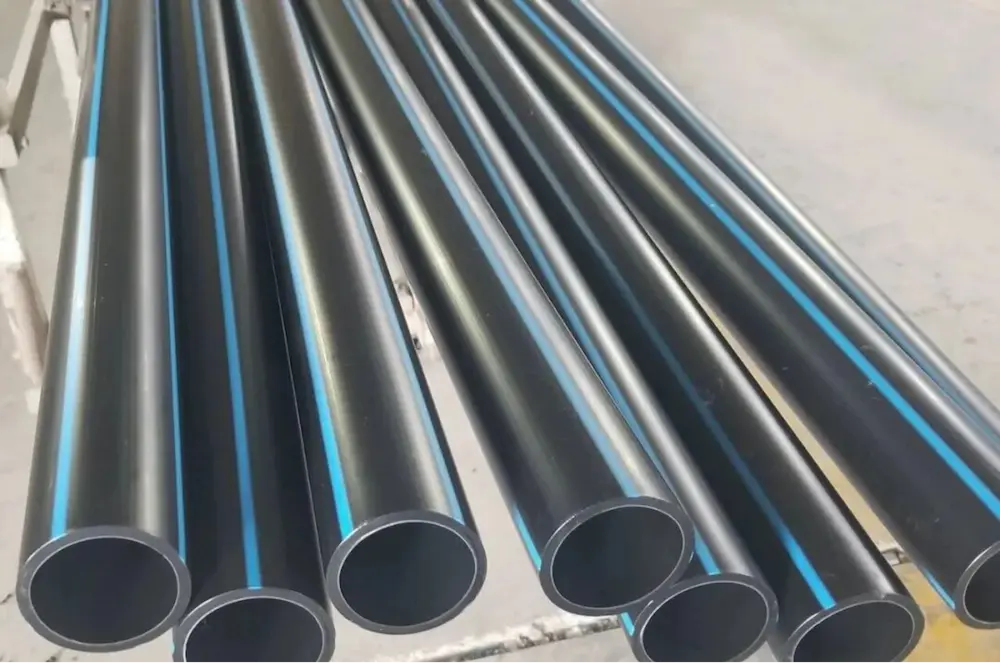
I. PN is the Pressure Result, Not the Structure Itself
PN (Nominal Pressure Rating) represents the maximum working pressure (unit: bar) that a pipe can safely withstand long-term under standard service conditions.
The “standard conditions” here usually include:
- Material grade (e.g., PE80, PE100)
- Design temperature (generally 20°C)
- Design life (usually 50 years)
- Water as the conveying medium
- Total design coefficient C=1.25 (common value for water pipes)
PN is the allowable working pressure calculated from material strength (MRS) and structural ratio (SDR):
PN = 2MRS / [ C × (SDR − 1) ]
In other words, PN is essentially a calculated result, an expression of pressure-bearing capacity derived under a set of assumed conditions, not a “structural parameter” of the pipe itself.
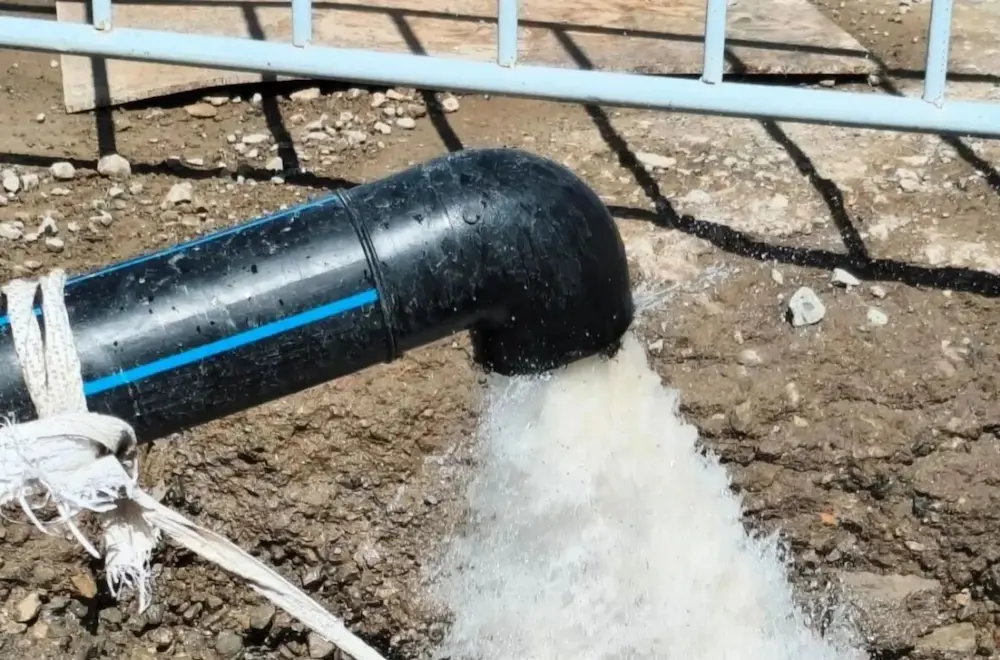
II. SDR is the Structural Ratio That Determines the Wall Thickness Basis
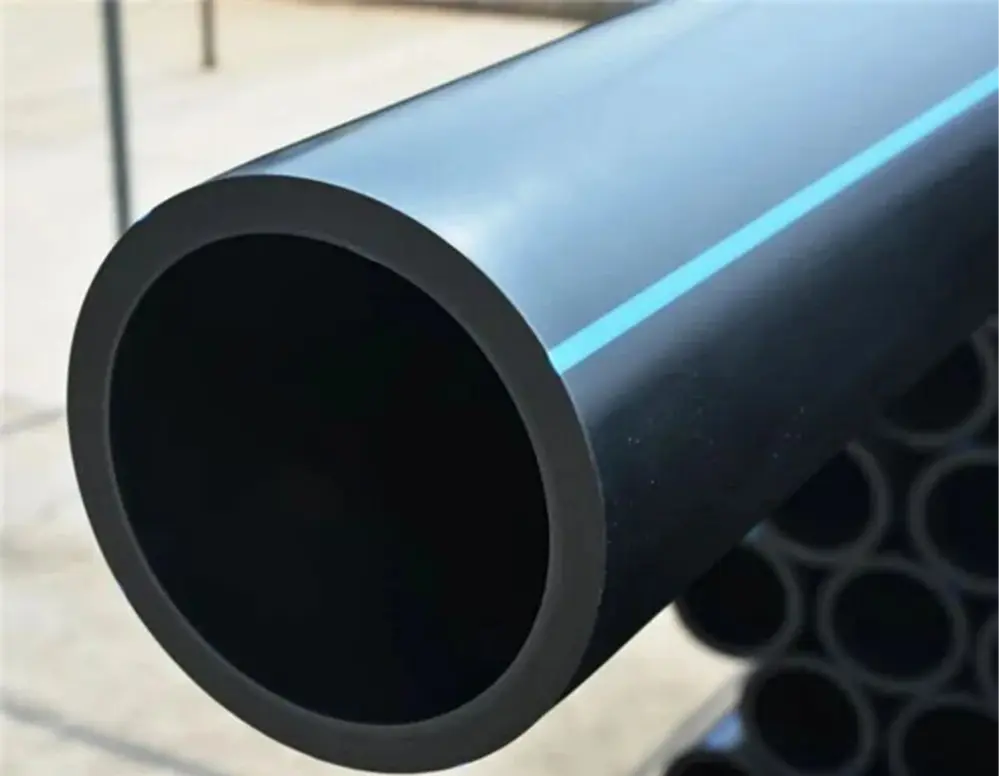
SDR (Standard Dimension Ratio) is the ratio of the nominal outside diameter (dn) of a pipe to its minimum wall thickness (e_min): SDR = dn / e_min.
The smaller the SDR, the thicker the wall thickness;
The larger the SDR, the thinner the wall thickness.
Under the same material grade, the thicker the wall thickness, the smaller the stress generated under the same pressure, and naturally the stronger the pressure-bearing capacity.
Therefore, SDR does not directly tell you “how much pressure it can withstand”, but it determines the basic thickness of the structure.
Simple understanding:
SDR is the structural ratio, and PN is the calculated result of structural capacity.
III. The Real Relationship Between Material Grade, SDR and PN
Under the premise of fixed material grade:
- Material grade determines the strength basis;
- SDR determines the structural thickness ratio;
- PN is the pressure expression after matching the two.
For example, with the same SDR11, PE80 corresponds to PN12.5, while PE100 can reach PN16.
This shows that the safety boundary is not determined by a single parameter alone, but by the combined effect of material strength and structural ratio.
It can be understood as: material grade determines the strength basis, SDR determines the structural thickness ratio, and PN is the pressure expression after matching the two.
IV. The Most Common Misconceptions on Engineering Sites
The real risk often comes from one-sided understanding. Common situations include:
- Only looking at PN without considering temperature reduction
For example, PE100 SDR11 is PN16 at 20°C, but it needs to be reduced at 40°C, and the pressure-bearing capacity will decrease.
- Only looking at SDR without considering material grade
With the same SDR11, the PN corresponding to different material grades is different.
- Ignoring long-term service environment
— Temperature rise will accelerate material creep;
— Long-term hydrostatic pressure will affect service life;
— Non-aqueous media need to adjust the design coefficient;
— Ultraviolet rays, soil stress, external impact, etc. will all have an impact.
If you still judge the safety boundary according to the PN under the standard condition of 20°C, you may underestimate the real risk.
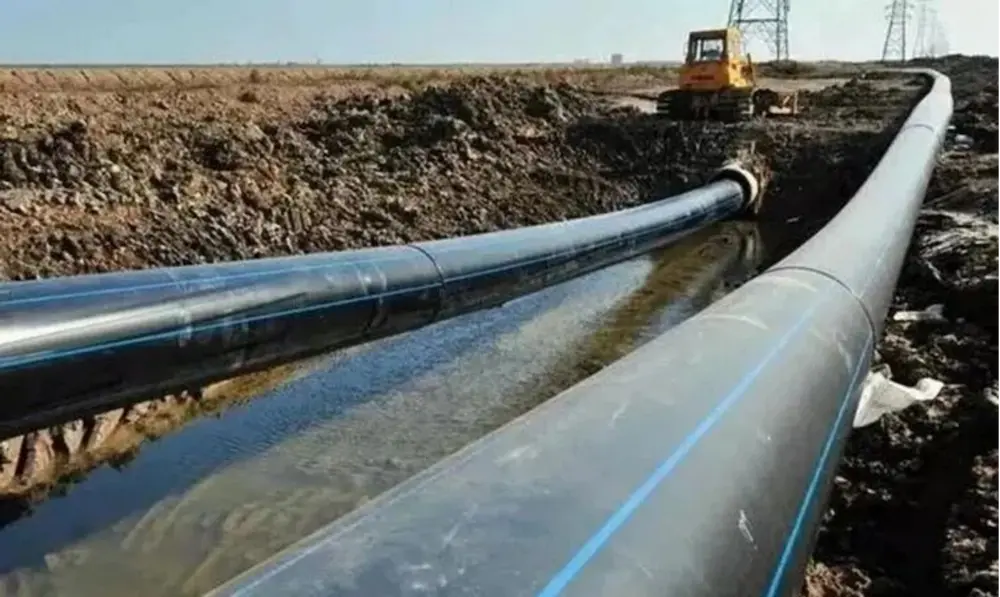
V. Who Really Determines the Safety Boundary?
The safety boundary of a pipe is not determined by PN or SDR alone.
Material grade provides the strength basis, SDR determines the structural thickness ratio, PN is only the pressure expression calculated under standard conditions, and superimposing the actual service conditions constitutes the real safety judgment.
When selecting, instead of simply asking “Is PN sufficient?”, it is better to confirm several things: Is the material grade matching? Is SDR appropriate? Are temperature and service life taken into account?
Many risks are not due to insufficient parameters, but because the logic is not clarified.
Recent News