



Single Screw vs. Twin Screw Extruder for Film Pelletizing Line: How to Choose the Right System
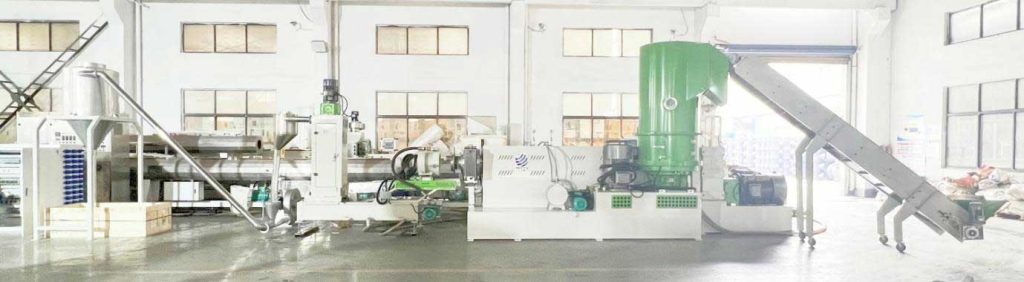
If you are planning or upgrading a film pelletizing line, one of the most important decisions is whether to use a single screw extruder or a twin screw extruder. The right choice affects melt quality, pellet consistency, energy efficiency, maintenance cost, and the range of materials your line can process.
In general, a single screw extruder is the better choice for standard film recycling applications that involve relatively clean, thermally stable polyolefins such as LDPE and HDPE. A twin screw extruder is usually the better solution when the material is heat-sensitive, highly filled, moisture-sensitive, or requires stronger mixing, devolatilization, or formulation control.
This guide explains the core differences between the two systems and helps you select the right extruder for your plastic film granulation line.
What Is the Difference Between a Single Screw and a Twin Screw Extruder?
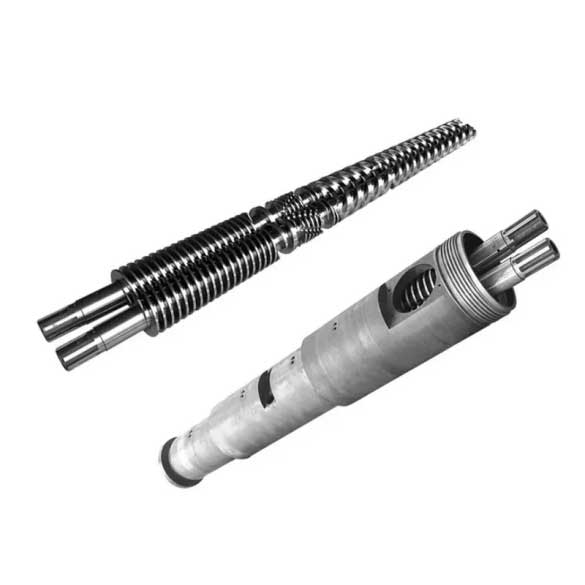
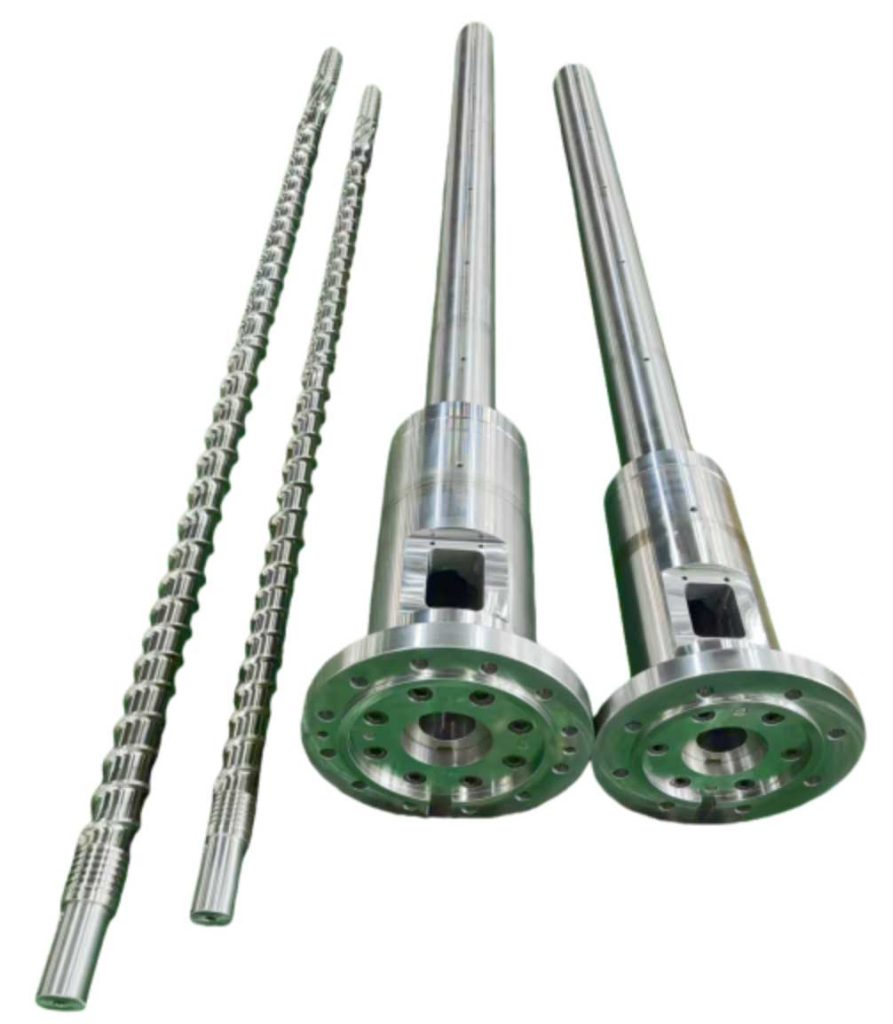
For many standard film pelletizing applications, a single screw design is sufficient and cost-effective. However, when the process requires better dispersion, tighter melt control, or more effective removal of moisture and volatiles, a twin screw design offers clear technical advantages.
| Item | Single Screw Extruder | Twin Screw Extruder |
| Screw configuration | One screw | Two intermeshing screws |
| Mechanical complexity | Simpler structure | More complex structure |
| Mixing performance | Moderate, mainly dependent on screw design and shear in the compression zone | Strong distributive and dispersive mixing |
| Shear control | Relatively gentle | More adjustable and process-flexible |
| Venting capability | Limited unless specially designed | Stronger venting and devolatilization capability |
| Material adaptability | Best for stable, lower-complexity materials | Better for sensitive, filled, blended, or modified materials |
| Investment level | Lower initial cost | Higher initial cost |
| Typical use | General film recycling and pelletizing | Advanced compounding and demanding film pelletizing applications |
When Is a Single Screw Extruder the Better Choice?
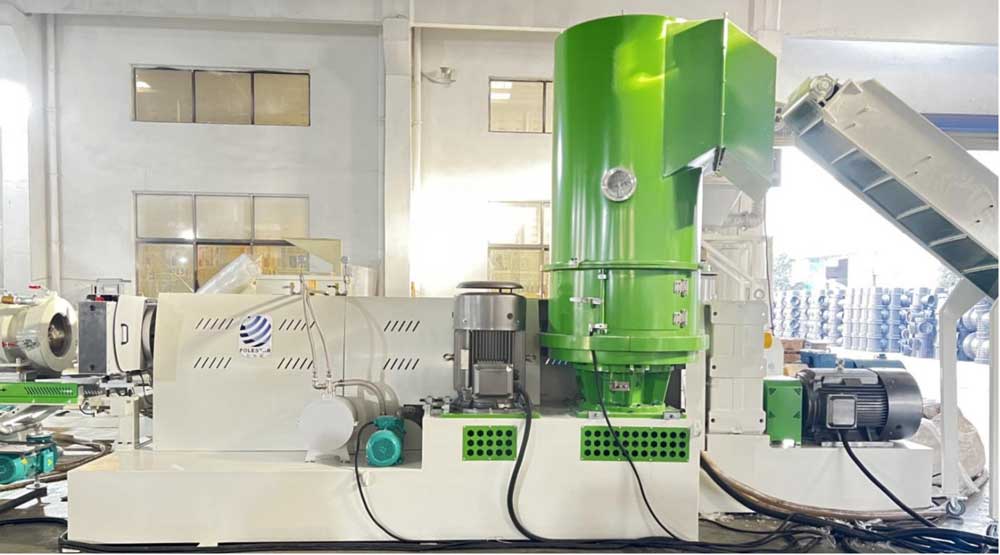
In many LDPE, LLDPE, and HDPE film pelletizing applications, the process objective is to melt, filter, and pelletize the material efficiently without exposing it to unnecessary shear. In these cases, the simpler structure of a single screw system can provide reliable performance, easier maintenance, and attractive cost efficiency.
A single screw extruder is often a good fit when you process post-industrial or relatively clean post-consumer film, when the formulation is simple, and when additive loading is low. It is also a practical choice for manufacturers who prioritize capacity, operating stability, and budget control over advanced compounding capability.
When Is a Twin Screw Extruder the Better Choice?
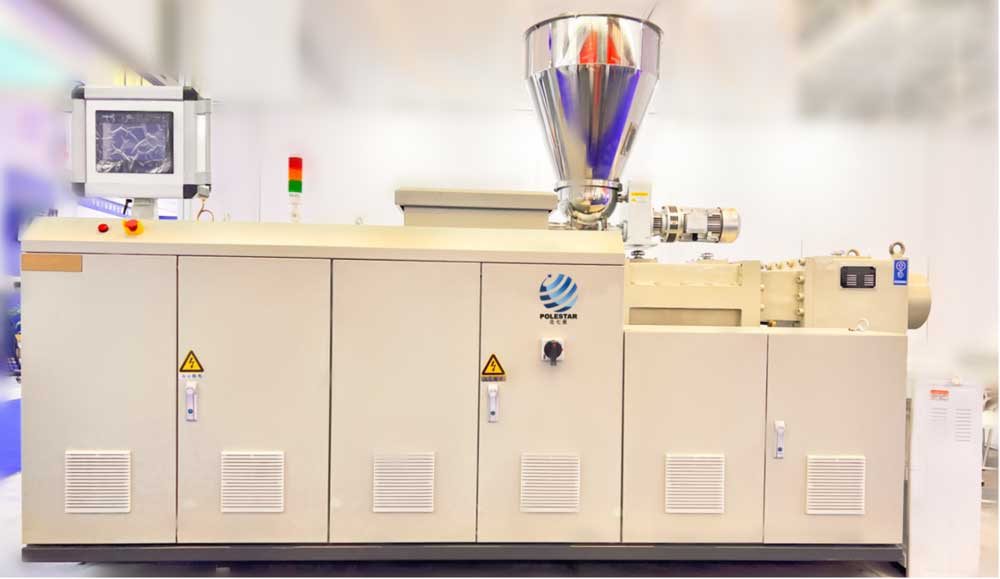
Because the screw elements in a twin screw machine can be configured for conveying, kneading, mixing, and venting, the system gives engineers much more control over residence time, shear profile, and melt uniformity. This is especially valuable when the material is sensitive to moisture, vulnerable to thermal degradation, or dependent on accurate additive dispersion.
A twin screw extruder is commonly preferred when you need to compound fillers, masterbatch, stabilizers, flame retardants, or other functional additives into the recycled or virgin film material. It is also more suitable when the feedstock contains more moisture or volatile components that must be removed before pelletizing.
How Material Type Affects Extruder Selection
For polyolefin films such as LDPE and HDPE, a single screw extruder is often sufficient because these materials generally offer a wider processing window and do not usually require intensive mixing. For PET or PLA film, the selection criteria become more demanding because the process may require tighter thermal control, better venting, and more uniform melt handling.
If your line processes blended materials, printed film, washed recycled film, or formulations with performance additives, the technical advantages of a twin screw extruder become more relevant. In short, the more complex the material system is, the more valuable the process flexibility of a twin screw design becomes.
Mixing, Venting, and Pellet Quality
A single screw extruder can deliver stable pellet quality when the feedstock is relatively uniform and the formulation is simple. However, when dispersion quality becomes critical, twin screw technology usually performs better because it can generate stronger and more controlled mixing. This helps reduce the risk of uneven additive distribution, localized overheating, and melt inconsistency.
Venting is another key factor. If the material contains moisture, residual solvents, ink residues, or volatile contaminants, insufficient devolatilization can affect pellet appearance and downstream processing stability. In such cases, a twin screw extruder generally provides a stronger platform for vacuum venting and process control.
Cost Considerations: Investment vs. Process Capability
A twin screw extruder typically requires a higher initial investment, but it can create value when the process demands more than basic melting and pelletizing. If your product quality targets are stricter, your formulations are more complex, or your raw material variability is higher, the added process capability may justify the extra cost.
The right decision should therefore not be based on equipment price alone. It should be based on the total fit between material characteristics, product requirements, quality targets, and long-term production strategy.
A Practical Selection Guide for Film Pelletizing Lines
First, how thermally stable is the material? If the polymer is relatively stable and easy to process, a single screw extruder may be enough. If the material is sensitive to heat, moisture, or degradation, a twin screw system is often the safer choice.
Second, how much mixing is required? If you only need standard melting and pelletizing, a single screw system is usually sufficient. If you need strong dispersion of additives, fillers, pigments, or modifiers, a twin screw design is generally more suitable.
Third, how important is venting and devolatilization? If the feedstock is clean and dry, single screw processing may work well. If the material contains moisture, volatiles, or contamination, a twin screw extruder will usually provide better process control.
Fourth, what are your capacity, budget, and product-positioning goals? If the line is intended for cost-efficient, high-volume production of standard film pellets, a single screw extruder often provides the best return on investment. If the line must support premium, modified, or technically demanding film materials, a twin screw extruder offers greater long-term flexibility.
Which Extruder Should You Choose?
Choose a single screw extruder when your priority is efficient processing of standard film materials, simple formulations, lower investment, and stable high-volume output.
Choose a twin screw extruder when your process involves sensitive polymers, higher additive loading, better dispersion requirements, stronger venting needs, or more advanced product specifications.
For many manufacturers, the real question is not which machine is universally better, but which one is better for the exact materials and quality level required by the project.
Frequently Asked Questions
In many PE film pelletizing applications, yes. If the material is relatively clean, thermally stable, and does not require complex compounding, a single screw extruder is often the most economical and practical option.
Is a twin screw extruder better for PET film?
In many cases, yes. PET processing usually demands tighter control over moisture, melt uniformity, and thermal stability, so a twin screw extruder can offer better process flexibility.
Which extruder is better for recycled film with additives?
If the formulation contains a meaningful level of additives, fillers, or modifiers, a twin screw extruder is generally better because it provides stronger mixing and more uniform dispersion.
Which option is more cost-effective?
A single screw extruder is usually more cost-effective for standard applications. A twin screw extruder may become more cost-effective over time when product requirements are more demanding and process control has a direct impact on quality and scrap reduction.
Final Thoughts
When in doubt, start with the material characteristics and the final product requirements. That is the most reliable way to choose the right extrusion system for your project.
Recent News